Improving Observation Skills
Common Workplace Distractions
What distracts you the most? Is it a co-worker making too much noise? People sending too many emails? Maybe stress from an upcoming deadline? The workplace is an environment of ceaseless distractions. Mobile phones, emails, coworkers, stress, and deadlines compete for our attention.
Interactions with Coworkers:
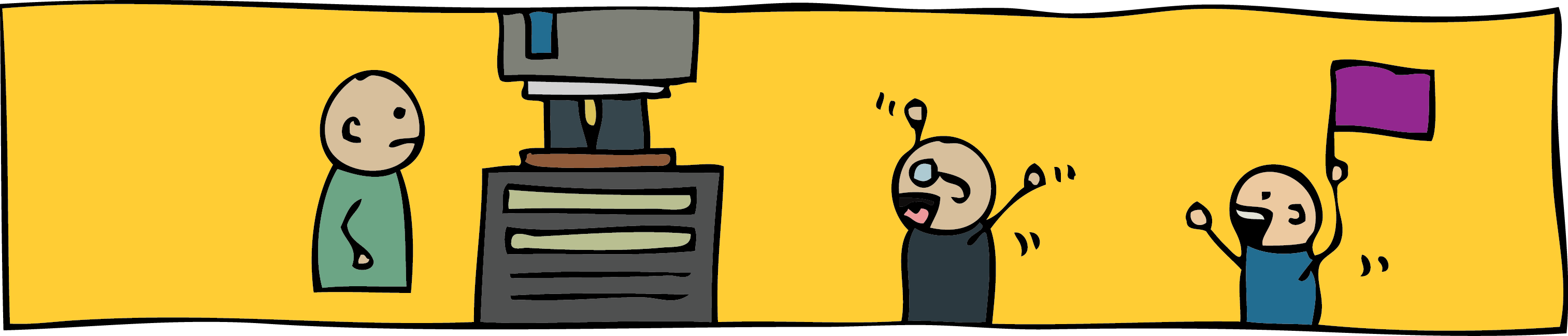
Has this ever happened to you? You set aside time to focus on a task, but then your co-worker comes over to chat. Someone else stops by to get your opinion on an issue. When you finally get back to your task, you realize you only have a few minutes before your next meeting.
In 2014, a human resources company study shows that 45% of people surveyed identified talkative co-workers as the biggest distraction at work. [Perkins, 2014] Social interaction with coworkers is important, but if you put down what you're working on every time a coworker comes by, you will hardly get much done. This can be a source of stress and frustration. Setting up the right expectations and communicating them properly will help you stay in control of your time, attention, and stress levels.
- Be honest. Tell your co-worker that you're working on deadline, but you'd like to catch up later.
- Let people know. If the conversations around you are being disruptive, ask them to keep it down, or if possible, move the conversation to the break room.
- If your workplace allows it, you can move to a conference room or quiet location to focus.
- Use visual cues. Wear headphones, if your workplace allows it and it is safe.
- Be considerate. Respect your coworkers need to get work done, don’t yell across the room to coworkers (unless its an emergency), and move conversations to break areas.
Pressure and Complacency:
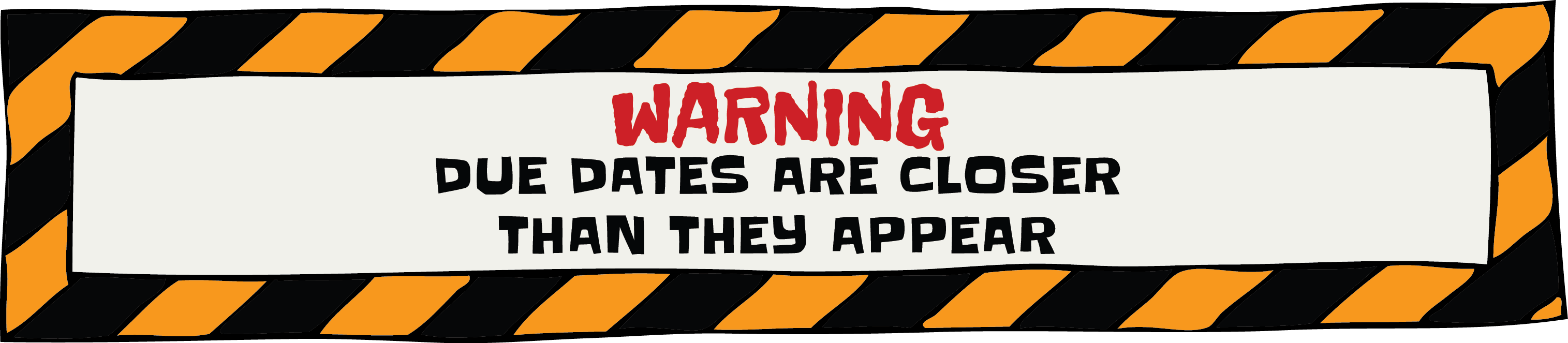
The pressure to meet tight deadlines can be just as distracting as working on a dull familiar task. When people are pressured to meet production goals or project deadlines, the focus is often shifted away from safety and quality towards getting things done as fast as possible. On the other hand, when there isn't a deadline pressure people can be over-confident with a familiar task, and let their attention wander. Both pressure and complacency distract people from safety and important details which lead to costly and sometimes fatal mistakes.
- Have a safety checklist and quality assurance checklist nearby for pressure and complacency.
- If possible, taking a small break after 25 minutes of high productivity helps recharge/rest your mind.
- Break your tasks down to the smallest manageable bits.
- Identify major distractions and learn the best way to handle them.
Personal Distractions:
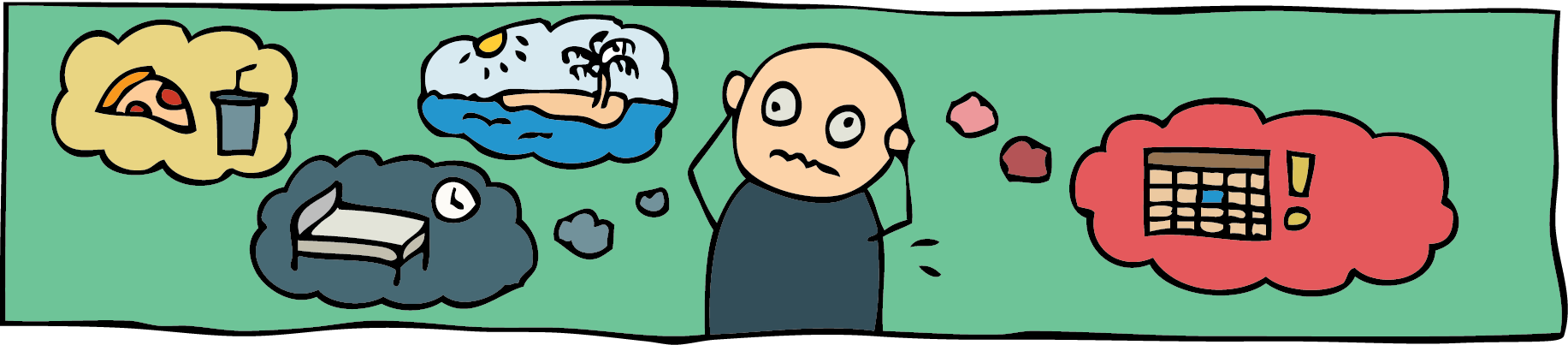
Ringing phones, incoming emails and texts, and chatty colleagues are all examples of external distractions. Managing these distractions are tricky, but managing personal distractions are tricker. Personal, or internal, distractions can be physical and psychological. Physical distractions include feeling hungry, tired, or having a sore back, while psychological distractions include stress about a personal problem, remembering errands, worrying about paying rent, or even excitement about an upcoming vacation. Managing internal distractions well require pre-planning and self-discipline.
- Pre-planning can reduce physical discomfort. Using a cushion on a hard chair, keeping a stash of quick snacks, or wearing comfortable shoes would make you more relaxed.
- Personal problems and time pressures can be managed by jotting them down on a notepad instead of keeping it all in your head. Once you have formed a habit of writing notes and checking those notes at the end of the day, you will feel less stressed about juggling all these issues internally.