Improving Observation Skills
Technology Distractions
Today's technologies connect us to unlimited resources and communication channels optimized to grab our attention. Emails, messaging, phone calls, and the Web, announced by a ping and a buzz are often just a pocket away. When used appropriately, these powerful tools keep us on track and can help resolve problems in the workplace. Most of the time, smartphones are used to fill in the small gaps of time when we believe a few seconds of shifted attention is no big deal.
Mobile phones and technology:
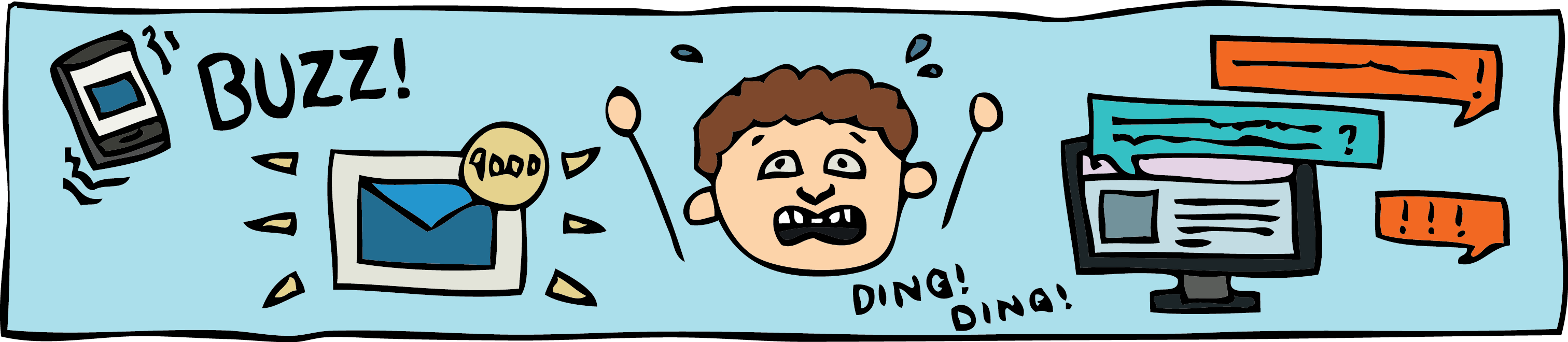
In 1973, Martin Cooper , a Motorola engineer, made the first call on a mobile phone. The Motorola DynaTAC 8000x weighed 2.5 pounds, measured 10 inches long, and only delivered 20 minutes of battery time. Four decades later, smartphones live in the pocket of nearly everyone in the United States. Our phones tell us the time, give us directions, take pictures, and keep us connected to family, friends, and work. Used appropriately, these devices can make our lives easier and more enjoyable, but they can be a huge distraction. According to the National Highway Traffic Safety Administration, in 2011, 3,331 people were killed in crashes involving distracted drivers, and an estimated 387,000 were injured. [NHSTA, 2011]
Emails:
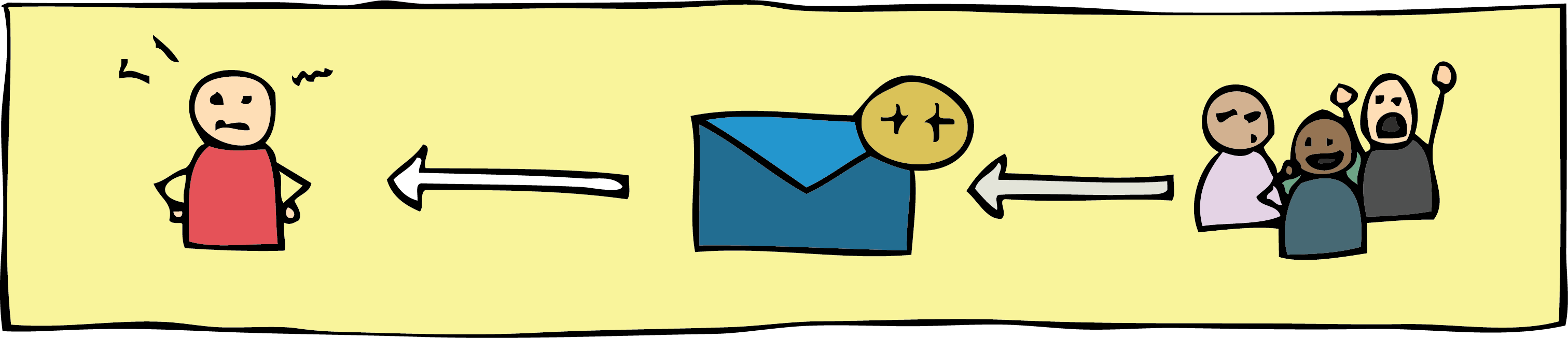
Emails are an effective and convenient channel of communication, but they are also a source of stress and distraction. Responding to emails immediately prevents having too many emails to address later, but it also means you are directing your attention away from your work and from the people you are talking to. Building the expectation that you will not immediately respond, can help alleviate stress and anxiety.
- Turn email sound and vibration alerts off.
- Schedule 30 minutes during your least productive time of day to check and respond to emails. For most people, this is after lunch or around 2pm.
- If you are expected to respond more frequently, schedule email checking for 15 minutes twice a day.
Messaging:
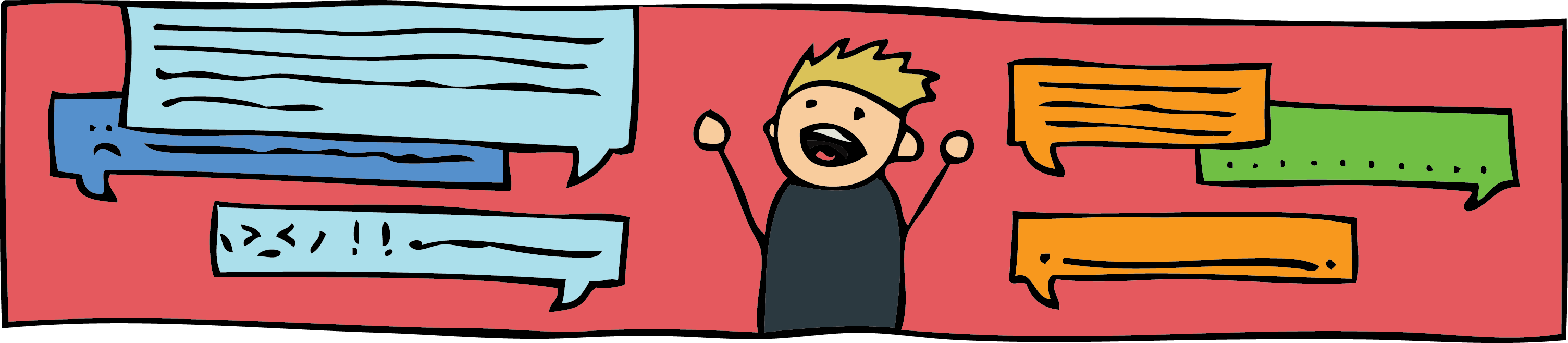
Instant messaging and texts are convenient ways for coworkers and friends to get in touch about issues that need to be addressed quickly. Being always available online means you leave yourself open to distractions.
- Set your status to "busy" when you do not want to be disturbed.
- Schedule times when you are online, and let people know they can contact you during those times.
The Web:
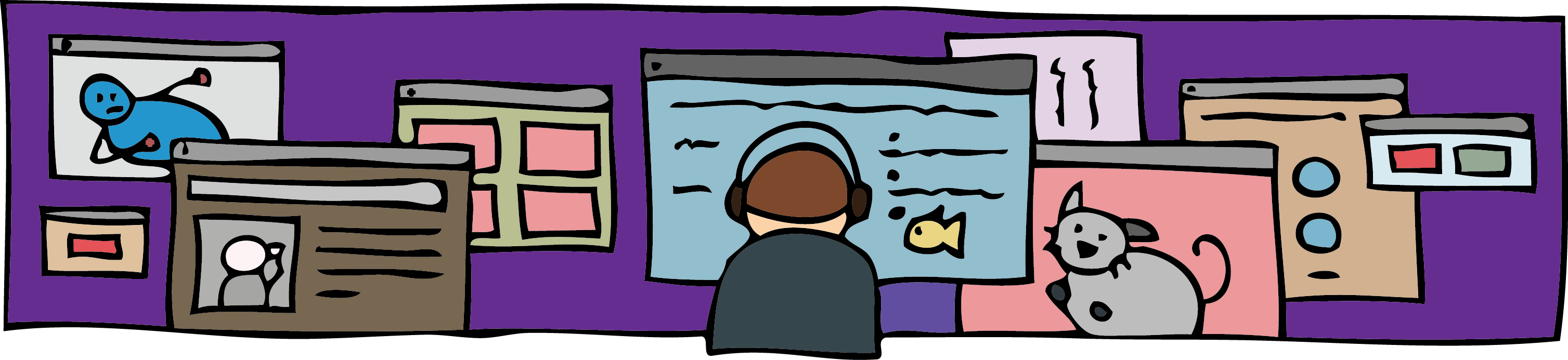
The Web is a powerful resource for answering questions, learning skills, looking up information, reading the news, and having fun. Web browsing has become a source of leisure both at work and at home. When looking something up for work, it is easy to get sidetracked by interconnected links.
- Stay focused by having a clear goal in mind when looking something up online.
- Taking a short break for casual Web browsing after a long duration of focused work can help refresh your energy.
- If you're on your computer, use personalized timed site-blocking software for websites you easily get sidetracked on. Here are some apps recommended by Mashable
- Check your social media and news sites before work so you aren't tempted to do so during work.